Source Brushed Aluminum Alloy Door Frame for Windows, Doors, and Cabinets
Find 30 brushed aluminum alloy door frame options from Chinese manufacturers. Compare profiles in the 6000 series with various surface treatments like powder coating and anodizing. Evaluate specifications including wall thickness and temper grades to match your building or furniture needs.
Key considerations
Products List


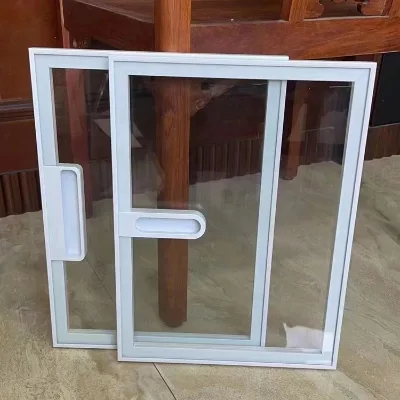


Custom Aluminium Profile Aluminum Windows and Doors Profile Aluminum Frame
$3000.00 - $3500.00
Moq: 500

Custom Aluminum Profiles Extrusion Door Window Aluminium Extrusions Frame
$3000.00 - $3500.00
Moq: 500


Comprehensive Sourcing Guide
Brushed Aluminum Alloy Door Frame Sourcing Guide
Buyers evaluating brushed aluminum alloy door frames must first distinguish between mechanical polishing and other surface treatments, as the supplied data indicates mechanical polishing is a specific option for aluminum profiles. While some listings mention powder coating or anodizing, the brushed aesthetic often requires a distinct mechanical finishing step that may not be standard on all industrial extrusions. Procurement teams should verify if the supplier explicitly offers mechanical polishing as a standalone service or if it is a secondary process applied after extrusion to achieve the desired texture.
The observed product range includes various series such as the 90 Series and 80 Series, which are commonly utilized for window and door applications in building construction. Buyers should confirm that the specific profile series matches their architectural requirements, as dimensions and structural integrity vary significantly between series. Additionally, the availability of customization suggests that frame dimensions can be tailored, but this often impacts lead times and minimum order quantities, requiring early coordination with the manufacturing team to ensure feasibility.
Product Scope and Observed Listing Signals
The market for these profiles demonstrates a wide variance in origin, with suppliers located in Guangdong, Foshan, and Shandong, China, each potentially offering different production capabilities. Buyers must assess the monthly production capacity, which can reach up to 4000 tons, to ensure the supplier can meet large-scale project demands without compromising delivery schedules. Understanding the geographic distribution of suppliers helps in evaluating logistics costs and the potential for supply chain disruptions based on regional industrial policies.
Listing signals indicate that products are available in various temper states, ranging from T3 to T8, and alloy grades within the 6000 Series, such as 6063 and 6061. These material properties directly influence the strength and formability of the door frames, making it essential to match the temper to the specific structural load requirements of the installation. Buyers should also note that wall thickness can vary from 0.3mm to 2.0mm, a critical factor for durability and security in high-traffic commercial or residential environments.
Technical Specifications to Verify
Verification of wall thickness and length is paramount, as the observed range spans from 0.3mm to 2.0mm in thickness and 1.0 to 7.2 meters in length, with customization available. Buyers must specify the exact thickness required for their application to prevent structural failure or unnecessary material costs, as thinner profiles may not support heavy glazing or high wind loads. Similarly, confirming the maximum length capability ensures that the frames can be manufactured in single pieces to minimize joints, which are potential weak points in the assembly.
Surface treatment specifications require careful attention, as the data lists options including powder coating, anodizing, and mechanical polishing, with coating thickness typically ranging from 50 to 120 micrometers. Buyers should request detailed test reports to confirm that the powder coating thickness meets the specified range, as this directly impacts corrosion resistance and aesthetic longevity. Additionally, verifying the tolerance levels, which are observed at +/- 1%, ensures that the profiles will fit precisely within the intended framing systems without requiring excessive on-site adjustment.
Compliance and Safety Documentation
Compliance with quality standards is a critical verification step, with the GB5237-2008 standard explicitly mentioned for aluminum profiles in the provided data. Buyers should ensure that the supplier's production processes adhere to this national standard, which governs the chemical composition and mechanical properties of architectural aluminum alloys. Relying on this standard provides a baseline for material integrity, but buyers should also inquire about additional testing protocols if their project location requires specific international certifications beyond the domestic standard.
Certification documentation, such as ISO9001, serves as a vital indicator of the supplier's quality management system and operational consistency. While the data confirms the presence of ISO certification, buyers must verify that the certificate is current and covers the specific manufacturing facilities producing the door frames. This verification process helps mitigate the risk of receiving substandard materials and ensures that the supplier maintains a documented history of quality control measures throughout the production lifecycle.
Cost Drivers and Commercial Terms
Cost structures for brushed aluminum door frames are heavily influenced by the alloy grade, temper, and surface finishing processes selected. The 6000 Series alloys, such as 6063, are standard for architectural applications, but specific temper requirements like T5 or T6 can alter the material cost. Buyers should analyze how the choice between mechanical polishing and powder coating affects the final price, as additional finishing steps often incur higher labor and processing fees that must be factored into the total budget.
Commercial terms regarding lead times and minimum order quantities (MOQ) vary significantly among suppliers, with observed lead times ranging from 15 to 20 days after deposit and MOQs starting as low as 1 unit or as high as 500 meters. Buyers must negotiate these terms early to align with project schedules, as custom lengths and specific surface treatments can extend the production window. Understanding the deposit requirements and payment milestones is essential for cash flow management, especially when dealing with large orders that require significant upfront capital.
Supplier Qualification and Quality Control
Supplier qualification should include a review of their processing services, which often encompass cutting, packing, and various surface treatments like electro-horesis. Buyers must confirm that the supplier has the in-house capability to perform these services to ensure consistency and reduce the risk of third-party quality failures. The ability to offer customized packing solutions, such as PE film, PVC film, or carton boxes, is also a key indicator of a supplier's attention to detail and ability to protect the product during transit.
Quality control protocols must be rigorously tested, particularly regarding the tolerance levels and surface finish consistency. Buyers should request samples to verify that the mechanical polishing achieves the desired brushed texture without visible defects or unevenness. Additionally, checking the supplier's track record for meeting the +/- 1% tolerance specification is crucial, as deviations in this range can lead to significant assembly issues on-site, particularly for large-scale building projects requiring precise fitment.
Long-Term Procurement Checks
Establishing a long-term relationship with a supplier requires ongoing verification of their production capacity and ability to maintain consistent quality over time. Buyers should monitor the supplier's monthly production capability, which can reach 4000 tons, to ensure they can scale operations as project demands increase without sacrificing quality standards. Regular audits of the production line and surface treatment processes help maintain confidence in the supplier's ability to deliver reliable products for future projects.
Continuous evaluation of the supplier's adherence to standards and certifications is necessary to mitigate long-term risks. Buyers should periodically review the validity of ISO certifications and ensure that the supplier continues to comply with GB5237-2008 and any other relevant standards. This proactive approach ensures that the supply chain remains robust and that the door frames continue to meet the required performance and safety criteria throughout the lifecycle of the procurement agreement.
FAQs
What temper grades are available for brushed aluminum alloy door frames?
Available temper grades range from T3 to T8, with specific options like T3-T5 and T351-T851 commonly used for industrial and window applications. These grades ensure the metal profiles meet required strength and durability standards for building use and transportation tools.
Can I customize the surface finish for brushed aluminum alloy door frames?
Yes, customization is available with surface treatments including powder coating, anodizing, and wooden finishes. The powder coating thickness is typically 50-120 micrometers, and other options include mill finish or electrophoresis to meet specific aesthetic or protective requirements for doors and windows.
What is the typical lead time for brushed aluminum alloy door frame orders?
The lead time is approximately 15 to 20 days after the deposit is received. This timeframe allows for processing services such as cutting and packing, ensuring that the customized aluminum profiles are prepared and ready for shipment according to the agreed production schedule.
Which certifications apply to brushed aluminum alloy door frame manufacturers?
Manufacturers often hold ISO9001 certification and adhere to quality standards like GB5237-2008. Some products may also undergo SGS testing. These certifications verify that the alloying ingredients and production processes meet international quality requirements for building use and decorative aluminum profiles.
What is the minimum order quantity for brushed aluminum alloy door frames?
The minimum order quantity varies, with some suppliers requiring 500 meters while others accept orders starting from 1 unit. Buyers should check specific supplier listings for exact MOQ values, as requirements depend on the customization level and production capacity of the factory.
What wall thickness options exist for brushed aluminum alloy door frames?
Wall thickness typically ranges from 0.3mm to 2.0mm, allowing for flexible design choices. The tolerance is usually plus or minus 1%, ensuring precise dimensions for window and door applications. Customized lengths from 1.0 to 7.2 meters are also available.